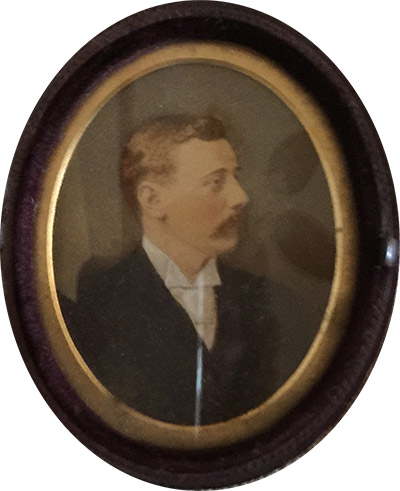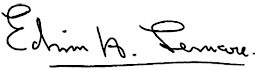
Barden, Nelson. “Edwin H. Lemare Part 1, Becoming the Best” The American Organist, Jan 1986, Vol 20, No. 1
Copyright 1986 by the American Guild of Organists
Used by permission of The American Organist magazine
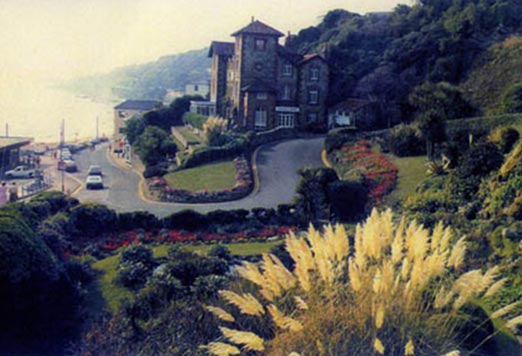
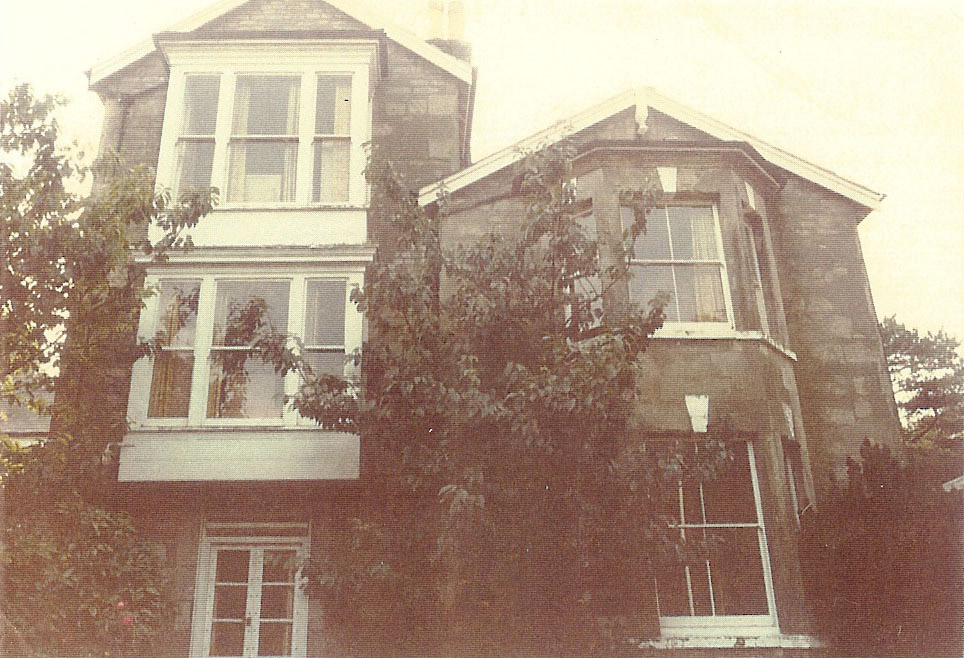
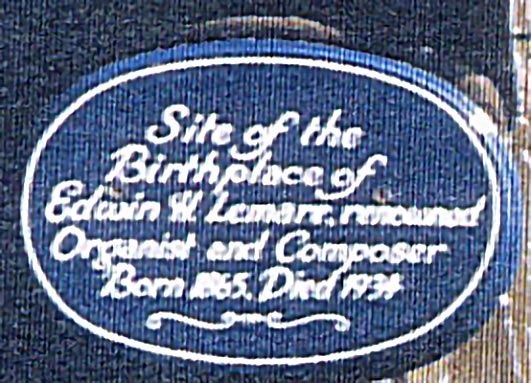
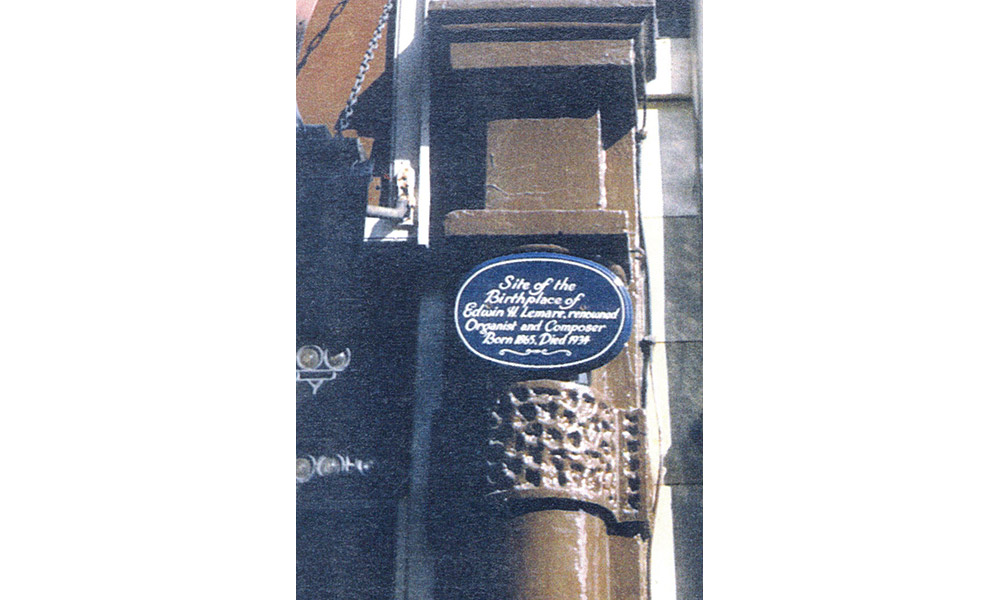
The Lemare family was thought to be of Huguenot extraction. Possibly the name Lemare was an anglicized version of Le Maire. In the 1850’s, Edwin’s grandfather, Frederick Lemare and six sons played the organ in different churches in the Guildford area of Surrey. One of these sons, (Edwin’s father), moved to Ventnor, Isle of Wight in 1860. The “Mount”, as the family home was called, was Edwin’s birthplace on September 27, 1865.
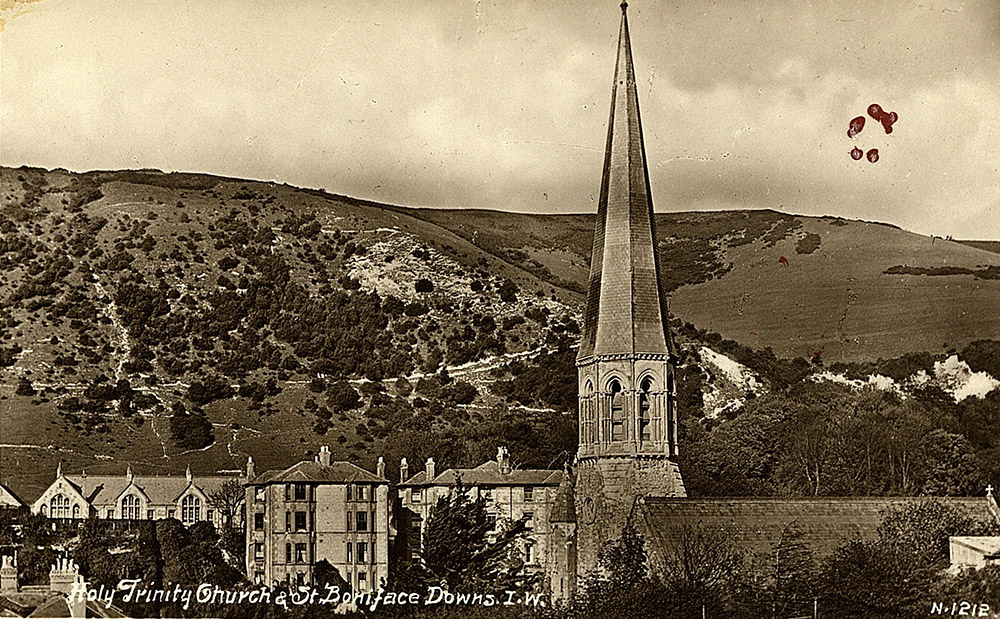
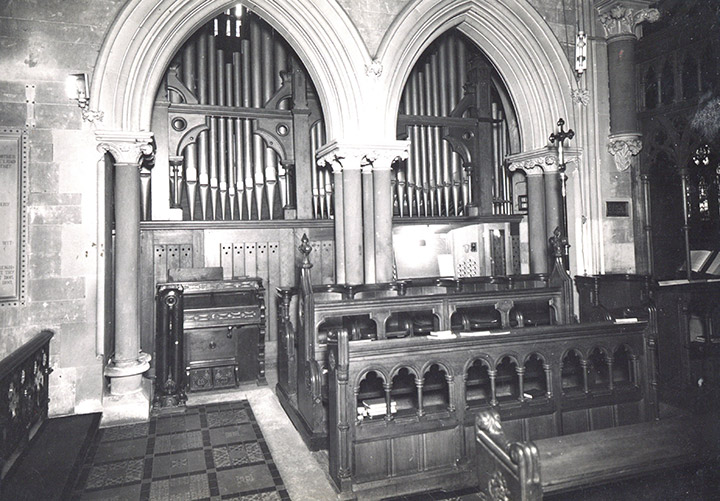
In 1862, Edwin’s father began work as a shop assistant in Fletcher Moor’s Pianoforte, Music and Photographic Saloon. He formed an amateur singing group called the Ventnor Choral Society. When Holy Trinity Church was built in 1862, Edwin’s father became the first organist on the two manual Forster and Andrews there. He held the position for 66 years.
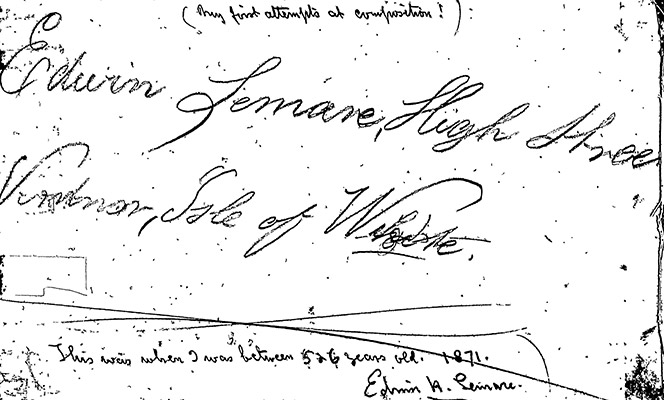
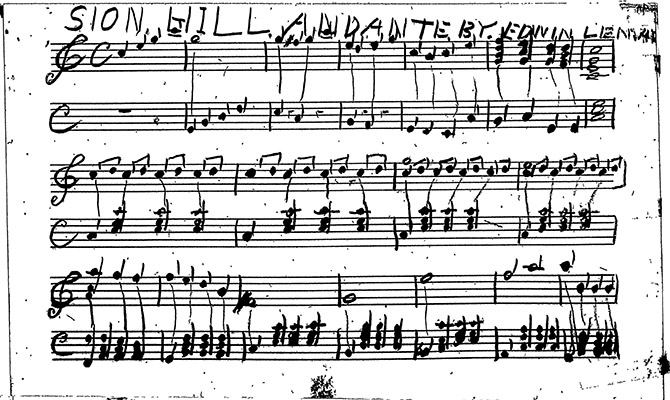
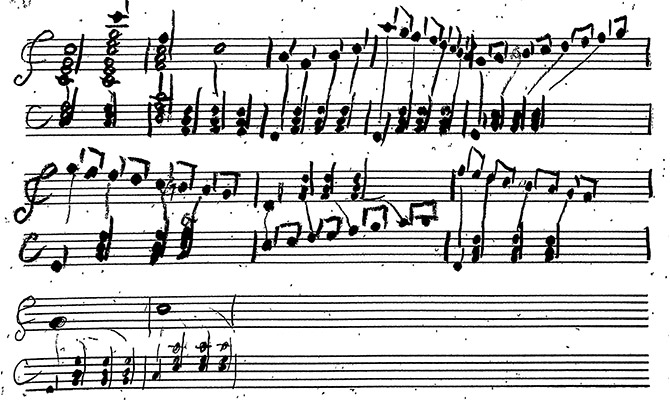
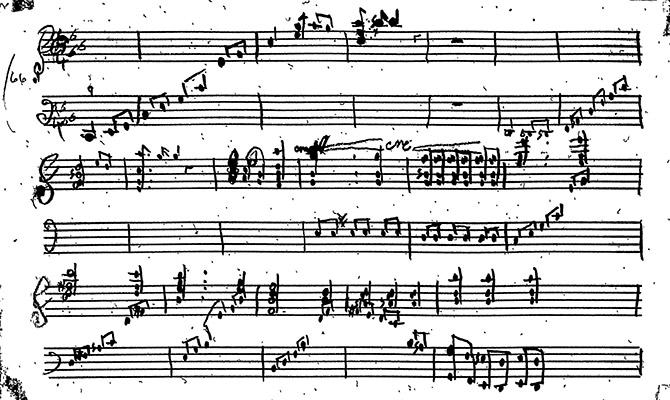
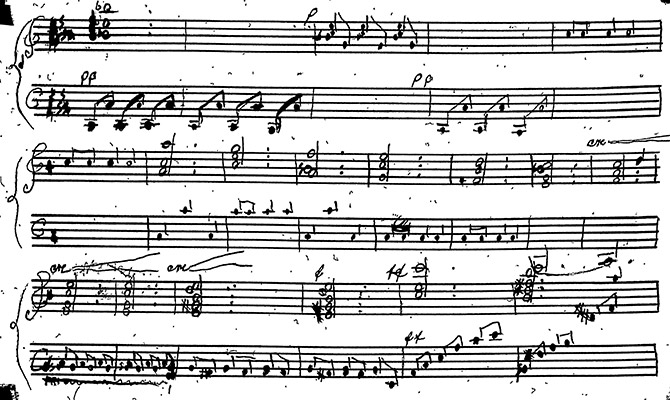
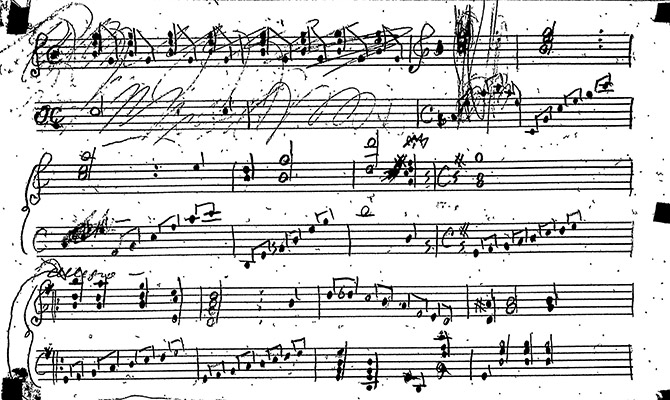
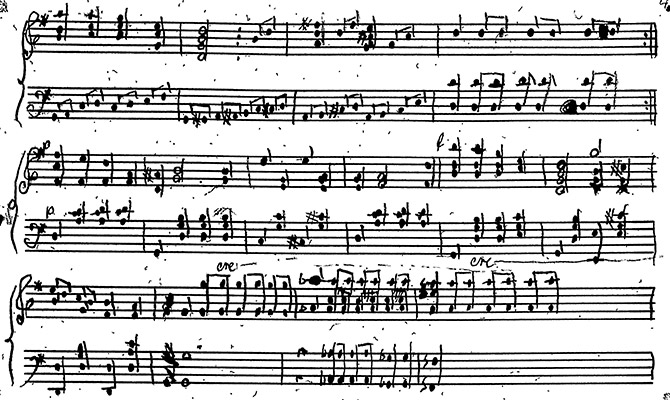
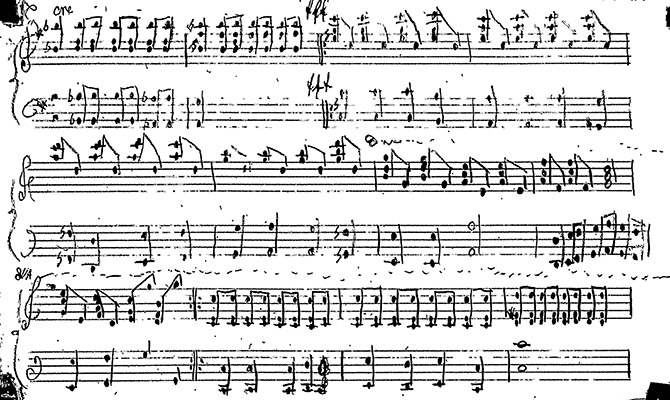
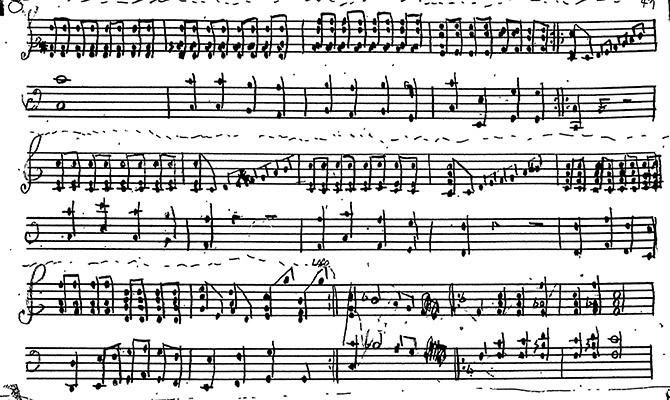
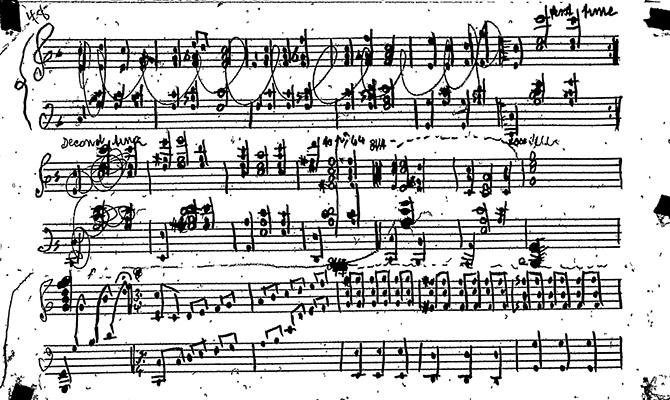
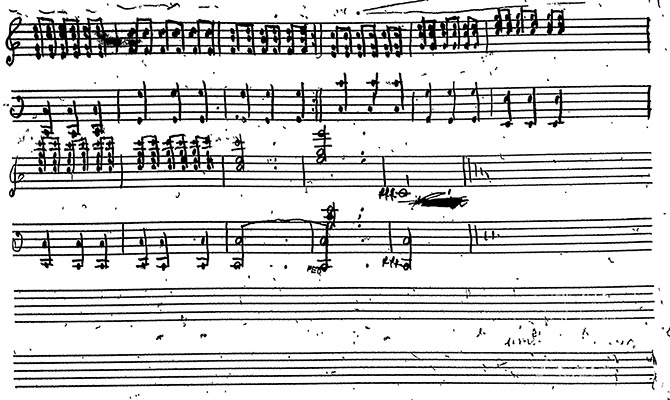
Edwin attended the Undercliff School where his father taught music and spent much of his time practicing the piano. At the age of four, he painted keys and stops on two boards and “sat there for hours, thumping on the keyboard and singing at the top of my voice.” At the age of five, Edwin “attempted” to compose--writing “crashing, repetitive chords” in his composition book. “I heard every note as an orchestral sound, not just the tinkle of a piano. The rests evaded me because everyone would know that if the bar is empty, there is nothing to play!” (OIHM p. 6 & 10) At the age of six Edwin gave his first piano recital.

At the age of nine, Edwin began organ lessons with his father and started playing the organ for services at Holy Trinity Church in Ventnor.
Although Edwin had characteristically long fingers, his legs were too short to reach the pedals so his father played them for him.
When Edwin’s father bought him an American organ, Edwin said he was in “seventh heaven.”

By the age of 12, Edwin was an accomplished pianist. His uncles, both organists in London, suggested that Edwin compete for the John Goss Scholarship to the Royal Academy of Music.
The competition took place at St. George’s Church, Bloomsbury. There were seven candidates, three of them eighteen years old. Edwin won.
Edwin was the youngest recipient of the John Goss Scholarship.
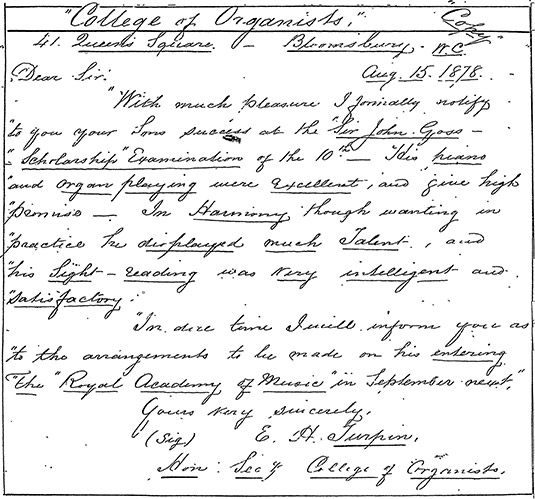
Dr. Edmund Hart Turpin, Secretary of the Royal Academy of Music, wrote to Edwin’s parents: “His piano and organ playing were excellent and give high promise. In harmony, though wanting in practice, he displayed much talent, and his sight reading was very intelligent and satisfactory.”
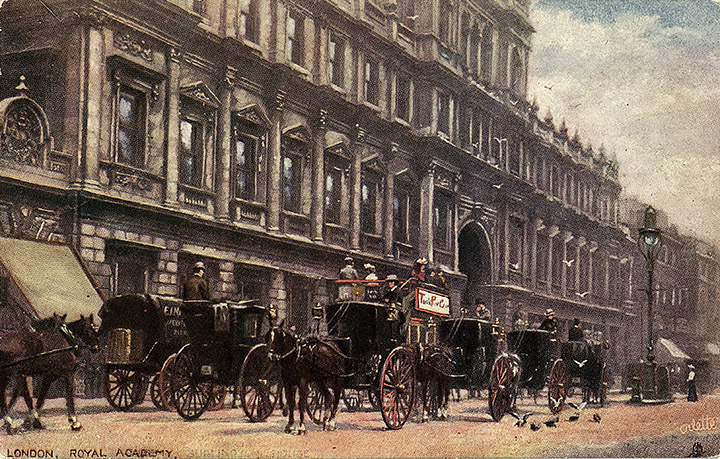
While at the Royal Academy of Music, Edwin was a pupil of Walter Macfarren. He heard performances of many famous artists of the day including Clara Schumann, Joseph Joachim, Adelina Patti, Vladimir de Pachmann and Edward Lloyd.
At Covent Garden, Edwin attended a performance of Die Meistersinger. In harmony class the next day Edwin’s enthusiasm was received with cool contempt by Sir George Macfarren (Principle of RAM) and the rest of his class. That anyone should have raved over the music of a “charlatan” like Wagner was beyond their comprehension.
Edwin began studying with Dr. E.H. Turpin at the conclusion of his three year scholarship at the Royal Academy of Music. He lived with the Turpin family for several years while Dr. Turpin groomed him for a recital career.
In 1882 (age 17), Edwin was appointed organist and choirmaster of St. John the Evangelist, Brownswood Park, where the organ was a new Hill and Sons.
The next year in 1883, Edwin passed his Royal College of Organists Associate exam. During this period he developed and polished skills that made him famous in later life.
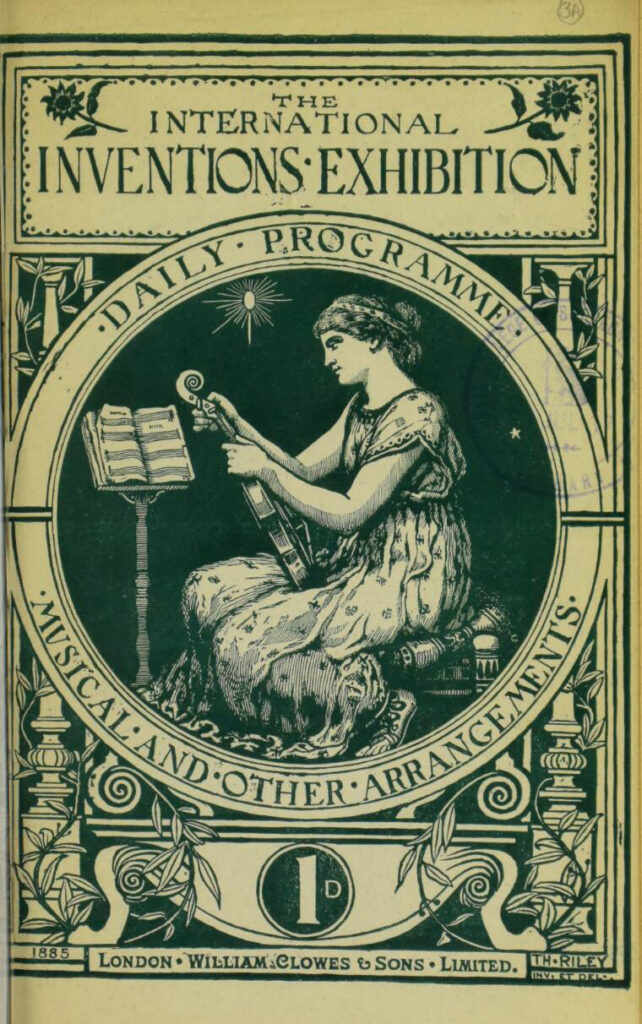
In 1885, Lemare performed over 134 recitals twice daily at the International Invention Exhibition World’s Fair in London. He began with an overture and demonstrated innumerable stop changes.
Each weekday from the middle of May to the end of October, the name Edwin H. Lemare appeared on the front page of the London Times.
In 1886 (age 21), Edwin was granted fellowship in the Royal College of Organists.
Edwin H. Lemare became his professional name. He was referred to fondly by those who studied his life and work as “EHL”.